
20-Day Classic Grand Kenya and Tanzania Expedition


The 20-Day Classic Grand Kenya and Tanzania Expedition is an extensive East African wildlife journey designed for travellers who want to explore beyond the familiar safari circuit. Starting and ending in Nairobi, this expedition combines Kenya’s northern wilderness, private conservancies, Great Rift Valley lakes and celebrated southern parks with Tanzania’s iconic Serengeti ecosystem, Ngorongoro Crater and Tarangire landscapes.
Your journey begins in Meru National Park, a diverse wilderness of rivers, woodland and open plains, before continuing to Samburu National Reserve, where arid landscapes support distinctive wildlife species adapted to northern Kenya. At Ol Pejeta Conservancy, you can learn about rhino conservation and the wider work of protecting endangered wildlife. The journey then moves through Lake Nakuru and Lake Naivasha before reaching the legendary Masai Mara, where extensive game drives offer opportunities to search for big cats, elephants, giraffes and seasonal herds of wildebeest and zebras.
Crossing into Tanzania, you spend three days exploring Serengeti National Park, followed by the remarkable Ngorongoro Crater, Tarangire National Park and Lake Manyara National Park. Returning to Kenya, you discover the dramatic landscapes of Tsavo East, known for its red-dusted elephants and vast plains, before finishing with two days in Amboseli, where large elephant herds roam beneath views of Mount Kilimanjaro when the skies are clear.
Travelling in a pop-up-roof 4x4 safari vehicle, this itinerary prioritises extended wildlife viewing, varied ecosystems and a broad understanding of East Africa’s natural heritage. Because the expedition covers considerable distances, the final route should be planned around realistic driving times, strategically located accommodation and the required Kenya–Tanzania border arrangements.
Planning note: This is an ambitious overland safari. The cross-border transfer between the Masai Mara and Serengeti requires advance coordination, and the Tanzania-to-Kenya return must also be planned carefully. Depending on permits and operator arrangements, a vehicle or guide change may be necessary at the border.
Who This Safari Is Ideal For
-
Dedicated wildlife enthusiasts who want to explore a wide variety of ecosystems across Kenya and Tanzania.
-
Experienced safari travellers who prefer a longer expedition rather than a short highlights tour.
-
Wildlife photographers seeking opportunities to photograph predators, elephants, rhinos, birds and contrasting landscapes.
-
Conservation-minded travellers interested in rhino protection and wildlife management at Ol Pejeta Conservancy.
-
Couples and private groups who value an extensive, guide-led journey with flexibility for game viewing.
-
First-time visitors with sufficient time who want a comprehensive introduction to East Africa's classic safari destinations.
Why This Safari Is Best
-
An expansive wildlife circuit: Visit 11 major parks, reserves and conservation areas across Kenya and Tanzania.
-
Northern Kenya's distinctive wildlife: Explore Meru and Samburu for varied habitats and species adapted to drier landscapes.
-
Conservation experiences: Visit Ol Pejeta Conservancy, known for its rhino conservation work.
-
Classic big-cat country: Spend two days in the Masai Mara and three in the Serengeti.
-
A volcanic wildlife landscape: Explore the Ngorongoro Crater and its remarkable concentration of wildlife.
-
Elephant-focused experiences: Visit Tarangire, Tsavo East and Amboseli, each with its own landscape and wildlife character.
-
A varied safari experience: Combine rivers, arid plains, lakes, open savannahs, conservation areas and mountain scenery.
-
More time for discovery: A 20-day itinerary allows a broader experience of East Africa than a short circuit, provided the transfer days are managed carefully.
Tour Highlights
Meru National Park
Samburu National Reserve
Ol Pejeta Conservancy
Masai Mara National Reserve
Ngorongoro Crater
Tsavo East National Park
Amboseli National Park
Tour Map
Tour Features
Mid-range tour
This mid-range tour uses lodges and tented camps.
Cannot be customized
The accommodations and destinations of this tour cannot be changed.
Private tour
This tour will be organized exclusively for you and won't be shared with others.
Not for solo travelers
Solo travelers cannot book this private tour.
Can start any day
If availability permits, this tour can start on any day.
Minimum age of 10 years
The minimum age for this tour is 10 years.

Day 1
Nairobi to Meru National Park
Your expedition begins in Nairobi, where you meet your professional driver-guide and travel north towards Meru National Park. The journey passes through changing Kenyan landscapes, rural settlements and agricultural areas before reaching the park region. After arrival and lunch, settle into your lodge before heading out for an introductory afternoon game drive.
Meru is known for its mix of rivers, woodland, grassland and doum palm scenery. Search for elephants, giraffes, buffaloes, zebras and a variety of antelopes, while your guide explains how the park’s river systems support wildlife in this relatively remote wilderness. Return to your lodge for dinner and your first night surrounded by nature.
Meals: Lunch and dinner.
Transport: Nairobi to Meru National Park — approximately 300–350 km, around 5–7 hours by road, depending on the lodge and route.
Accommodation
Ikweta Safari Camp


Day 2
Full-Day Wildlife Safari in Meru National Park
Begin with an early-morning game drive, when wildlife is often active and the temperatures are cooler. Explore the park’s different habitats, looking for elephants, giraffes, buffaloes, zebras and predators where present. The Ewaso Nyiro and other rivers help sustain wildlife and create varied viewing environments across the park.
After breakfast, continue exploring with a picnic lunch or return to your lodge for a midday break before an afternoon drive. This full day gives you time to appreciate Meru’s quieter atmosphere and look beyond the most famous safari species to birds, tracks and the details of the landscape. Return to your lodge for dinner and overnight.
Meals: Breakfast, lunch and dinner.
Transport: Game drives within Meru National Park — variable distance depending on sightings and the selected route.
Accommodation
Ikweta Safari Camp

Day 3
Meru to Samburu National Reserve
After breakfast, depart the Meru area and travel towards Samburu National Reserve. The scenery gradually becomes drier and more rugged, introducing you to northern Kenya’s distinctive semi-arid environment. Arrive at your lodge, enjoy lunch and prepare for an afternoon game drive along the reserve’s open plains and riverine habitats.
Samburu is famous for wildlife adapted to dry country, including Grevy’s zebra, reticulated giraffe, gerenuk and Somali ostrich. You may also see elephants, lions, leopards and other species. The Ewaso Nyiro River attracts wildlife, particularly when water is scarce elsewhere. Return to your lodge for dinner and a relaxing evening.
Meals: Breakfast, lunch and dinner.
Transport: Meru to Samburu — approximately 150–220 km, around 3–5 hours by road, depending on the route and accommodation.
Accommodation
Samburu Sopa Lodge


Day 4
Full-Day Safari in Samburu National Reserve
Spend a full day exploring Samburu’s rugged landscapes, riverbanks and open bushland. An early game drive offers opportunities to search for elephants, lions, leopards and the reserve’s distinctive northern species. Your guide can help you identify animals that are less commonly encountered in Kenya’s southern savannah parks, adding variety to the safari experience.
Continue with morning and afternoon game drives, with a picnic lunch if you prefer to remain in the reserve. Look for gerenuk feeding on shrubs, reticulated giraffes moving through the dry country and Grevy’s zebras grazing in open areas. Birdlife and the changing river scenery add further interest. Return to your lodge for dinner and overnight.
Meals: Breakfast, lunch and dinner.
Transport: Game drives within Samburu National Reserve — variable distance depending on wildlife sightings.
Accommodation
Samburu Sopa Lodge


Day 5
Samburu to Ol Pejeta Conservancy
After breakfast, travel south towards Ol Pejeta Conservancy in the Laikipia region. The route crosses scenic countryside and highland areas, with views of Mount Kenya possible in clear weather. Arrive at the conservancy and enjoy lunch before setting out for an afternoon wildlife drive.
Ol Pejeta is recognised for its conservation work, particularly its protection of endangered rhinos. During your visit, you may see white and black rhinos, elephants, giraffes, zebras and other wildlife. Subject to availability and the conservancy’s rules, a dedicated conservation experience may be arranged in advance. Return to your lodge for dinner and an evening reflecting on the role of protected areas in safeguarding Kenya’s wildlife.
Meals: Breakfast, lunch and dinner.
Transport: Samburu to Ol Pejeta — approximately 160–220 km, around 3.5–5 hours by road.
Accommodation
Sweetwaters Serena Camp


Day 6
Ol Pejeta to Lake Nakuru National Park
After breakfast, leave the Laikipia Plateau and travel towards Lake Nakuru National Park in the Great Rift Valley. The drive takes you through changing highland scenery and towards the escarpment and lake landscapes of the Rift Valley. Arrive around lunchtime, depending on road conditions and your lodge’s location.
In the afternoon, enjoy a game drive in search of rhinos, Rothschild’s giraffes, buffaloes, zebras and other wildlife. Lake Nakuru is also known for its birdlife, with flamingo numbers varying according to lake conditions and food availability. Your guide will help you explore the park’s woodlands, grasslands and lake edges before returning to the lodge for dinner.
Meals: Breakfast, lunch and dinner.
Transport: Ol Pejeta to Lake Nakuru — approximately 180–220 km, around 3.5–5 hours by road.
Accommodation
Lake Nakuru Lodge


Day 7
Lake Nakuru to Lake Naivasha
Enjoy breakfast before making the relatively short drive to Lake Naivasha, another of the Great Rift Valley’s scenic freshwater lakes. After checking in and having lunch, spend the afternoon enjoying the lake environment, known for hippos, waterbirds and lush shoreline vegetation.
An optional boat excursion can offer close views of aquatic birdlife and hippos from a safe distance with a qualified local operator. Depending on your interests and the available time, you may also consider a guided walk in an appropriate nearby wildlife area. This is a more relaxed day between longer road journeys, allowing you to enjoy a different side of Kenya’s natural heritage before heading to the Masai Mara.
Meals: Breakfast, lunch and dinner.
Transport: Lake Nakuru to Lake Naivasha — approximately 80–100 km, around 1.5–2.5 hours by road.
Accommodation
Lake Naivasha Sopa Resort


Day 8
Lake Naivasha to the Masai Mara
After breakfast, depart Lake Naivasha and travel towards the Masai Mara National Reserve. The journey crosses Rift Valley landscapes and rural highlands before opening into the rolling grasslands of the Mara ecosystem. Arrive at your lodge or tented camp around lunchtime, depending on the road and accommodation location.
After lunch, head out for your first game drive in the reserve. Look for elephants, giraffes, zebras, gazelles, buffaloes and predators such as lions and cheetahs. Your guide will explain how wildlife uses the open plains, riverine forests and seasonal water sources. Return to camp for dinner and overnight.
Meals: Breakfast, lunch and dinner.
Transport: Lake Naivasha to the Masai Mara — approximately 220–300 km, around 5–7 hours by road, depending on the route and camp.
Accommodation
Mara Elatia Camp


Day 9
Full-Day Safari in the Masai Mara
Set out early for a full day of wildlife viewing in the Masai Mara. Morning game drives can be rewarding for observing predators and other animals while temperatures are cooler. Explore areas with recent sightings, searching for lions, cheetahs, elephants, giraffes, hyenas and large herds of plains game.
Continue with a picnic lunch in the reserve or return to your lodge for lunch before another game drive. If your visit coincides with the Great Migration, you may encounter large herds of wildebeest and zebras moving through the ecosystem; migration timing and river crossings vary and are never guaranteed. Return to your lodge for dinner, ready for the following day’s cross-border journey.
Meals: Breakfast, lunch and dinner.
Transport: Game drives within the Masai Mara — variable distance depending on wildlife sightings.
Accommodation
Mara Elatia Camp

Day 10
Masai Mara to Serengeti National Park
After an early breakfast, begin the cross-border journey from the Masai Mara into Tanzania. Your operator should arrange the appropriate route, immigration procedures, park entry requirements and vehicle or guide coordination well before departure. The Isebania–Sirari crossing may be suitable depending on the booked camps and final route. This is a substantial transfer day, so a very early start is important.
After completing the border formalities, continue towards your Serengeti accommodation. Arrival time will depend on the crossing, road conditions and the location of your camp. If time permits, enjoy a short game drive on arrival; otherwise, settle in and prepare for two full days of exploration. Dinner and overnight are at your Serengeti lodge or tented camp.
Meals: Breakfast, lunch and dinner.
Transport: Masai Mara to the Serengeti — allow approximately 7–10 hours or more for the cross-border journey, depending on route, border formalities and camp location.
Accommodation
Seronera Wildlife Lodge


Day 11
Full-Day Safari in the Serengeti
Rise early for a game drive across the Serengeti’s expansive plains, where predators and grazing herds move through a constantly changing landscape. Depending on the area and season, you may see lions, cheetahs, leopards, elephants, giraffes, zebras and wildebeest. Your guide will select the day's route based on recent sightings and the location of your camp.
Continue with morning and afternoon wildlife viewing, with a picnic lunch if you wish to remain in the park for longer. The Serengeti’s wildlife movements vary throughout the year, and your guide can explain how rainfall, grazing and water availability influence the animals. Return to camp for dinner and an evening in the wilderness.
Meals: Breakfast, lunch and dinner.
Transport: Game drives within the Serengeti — variable distance depending on sightings and the selected sector.
Accommodation
Seronera Wildlife Lodge


Day 12
Another Day Exploring the Serengeti
Enjoy another full day in the Serengeti, giving you time to explore different habitats or revisit locations with promising wildlife activity. Depending on your accommodation, the day's route may include open grasslands, rocky kopjes, riverine areas or seasonal water sources. These varied environments provide opportunities to observe different species and behaviours.
Use the day to slow down and appreciate the details of the ecosystem. Your guide can help interpret tracks, identify birds and explain predator-prey relationships. If migration herds are in the area during your visit, the day's route can be adapted to seek them out. Return to your lodge for dinner and overnight.
Meals: Breakfast, lunch and dinner.
Transport: Game drives within the Serengeti — variable distance according to wildlife activity and camp location.
Accommodation
Seronera Wildlife Lodge

Day 13
Serengeti to Ngorongoro Crater
After breakfast, travel towards the Ngorongoro Conservation Area, enjoying the changing landscapes as the open Serengeti plains give way to higher ground. Depending on your starting point, you may enjoy wildlife viewing along the way. Your guide will introduce the region’s volcanic history and explain why the crater supports such a range of wildlife within a relatively compact area.
Descend into the Ngorongoro Crater for a game drive across grasslands, wetlands and other habitats. Look for zebras, wildebeest, buffaloes, hippos, hyenas and lions, with a chance of seeing the endangered black rhino. Sightings are never guaranteed, but the crater offers an excellent opportunity to observe many species in one setting. After the game drive, continue to your lodge in the Ngorongoro or Karatu area for dinner and overnight.
Meals: Breakfast, lunch and dinner.
Transport: Serengeti to the Ngorongoro area — approximately 100–180 km, around 3–5 hours of road travel, plus crater game-drive time, depending on the camp location.
Accommodation
Crater Forest Tented Camp


Day 14
Ngorongoro Area to Tarangire National Park
After breakfast, depart for Tarangire National Park, travelling through northern Tanzania’s countryside towards its distinctive baobab-studded landscapes. Arrive around midday or early afternoon, depending on your starting point and road conditions. After lunch, head into the park for an afternoon game drive.
Tarangire is especially known for its elephants and the wildlife that gathers near the Tarangire River, particularly during the dry season. Look for giraffes, zebras, wildebeest, antelopes and a variety of bird species. The scenery, with towering baobabs and open plains, provides a striking contrast to the Serengeti and Ngorongoro landscapes. Return to your lodge or tented camp for dinner.
Meals: Breakfast, lunch and dinner.
Transport: Ngorongoro or Karatu area to Tarangire — approximately 120–180 km, around 3–4.5 hours by road, depending on the route and lodge.
Accommodation
Tarangire Simba Lodge


Day 15
Tarangire to Lake Manyara National Park
Enjoy breakfast before travelling towards Lake Manyara National Park. The park’s habitats include groundwater forest, open areas, lake-edge environments and woodland, supporting a variety of wildlife and birdlife. After arrival, enjoy a game drive through the park, looking for elephants, giraffes, baboons, hippos and other animals.
Lake Manyara’s birdlife is a highlight, although the species and numbers present vary with season and lake conditions. The park also offers a change of pace from the vast plains of the Serengeti and Tarangire. After your visit, travel to your lodge in the Lake Manyara or Karatu area for dinner and overnight, preparing for the return journey to Kenya.
Meals: Breakfast, lunch and dinner.
Transport: Tarangire to Lake Manyara — approximately 60–100 km, around 1.5–3 hours by road, plus game-drive time.
Accommodation
Tarangire Simba Lodge


Day 16
Lake Manyara Area to Tsavo East National Park
After an early breakfast, depart the Lake Manyara area for the return journey to Kenya. This is a long international transfer requiring advance planning for the border crossing, vehicle arrangements and park entry. The route via the Namanga border may be appropriate depending on the confirmed itinerary and road conditions. Your operator should verify the most practical crossing and allow sufficient time for immigration and customs procedures.
Continue towards Tsavo East National Park and your booked accommodation. Arrival may be late, so an afternoon game drive should only be included if the transfer allows enough time and daylight. Otherwise, settle in, enjoy dinner and rest before a full day of wildlife exploration in Tsavo East.
Meals: Breakfast, lunch and dinner.
Transport: Lake Manyara area to Tsavo East — a long cross-border transfer, often around 8–11 hours or more, depending on the border crossing, route, road conditions and lodge location.
Accommodation
Ashnil Aruba Lodge


Day 17
Full-Day Safari in Tsavo East National Park
Begin with an early game drive in Tsavo East, one of Kenya’s largest national parks. The park’s open plains, scrubland and seasonal water sources support elephants, lions, giraffes, zebras, buffaloes and a variety of antelopes. Elephants are particularly memorable here because the red soil can colour their skin as they dust-bathe and move through the landscape.
Continue exploring with morning and afternoon game drives, taking time to appreciate the park’s scale and its less crowded wilderness areas. Depending on the route, you may visit viewpoints or areas around seasonal rivers and waterholes. Your guide will interpret the landscape and help identify tracks and signs of wildlife. Return to your lodge for dinner and overnight.
Meals: Breakfast, lunch and dinner.
Transport: Game drives within Tsavo East — variable distance depending on wildlife sightings and the selected route.
Accommodation
Kilaguni Serena Safari Lodge


Day 18
Tsavo East to Amboseli National Park
After breakfast, leave Tsavo East and travel towards Amboseli National Park. The journey crosses Kenya’s southern landscapes, with open plains and rural settlements along the way. Arrive at your lodge around lunchtime or early afternoon, depending on the starting point and route.
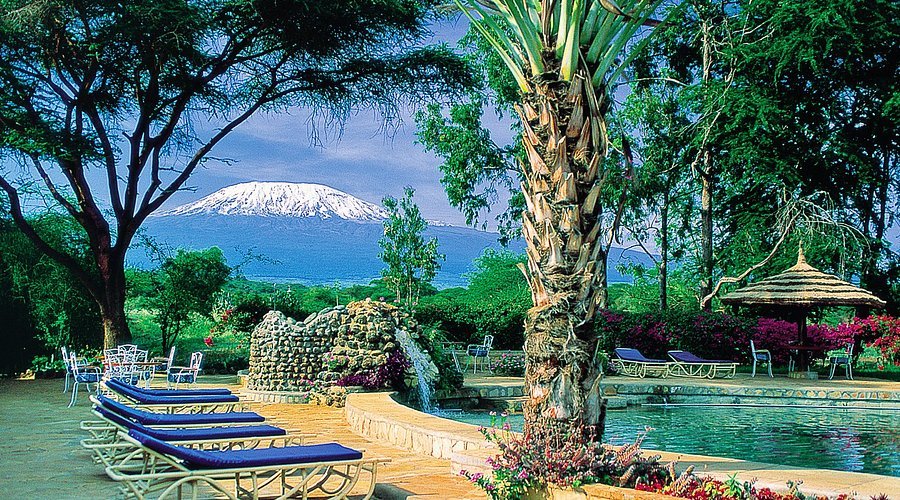
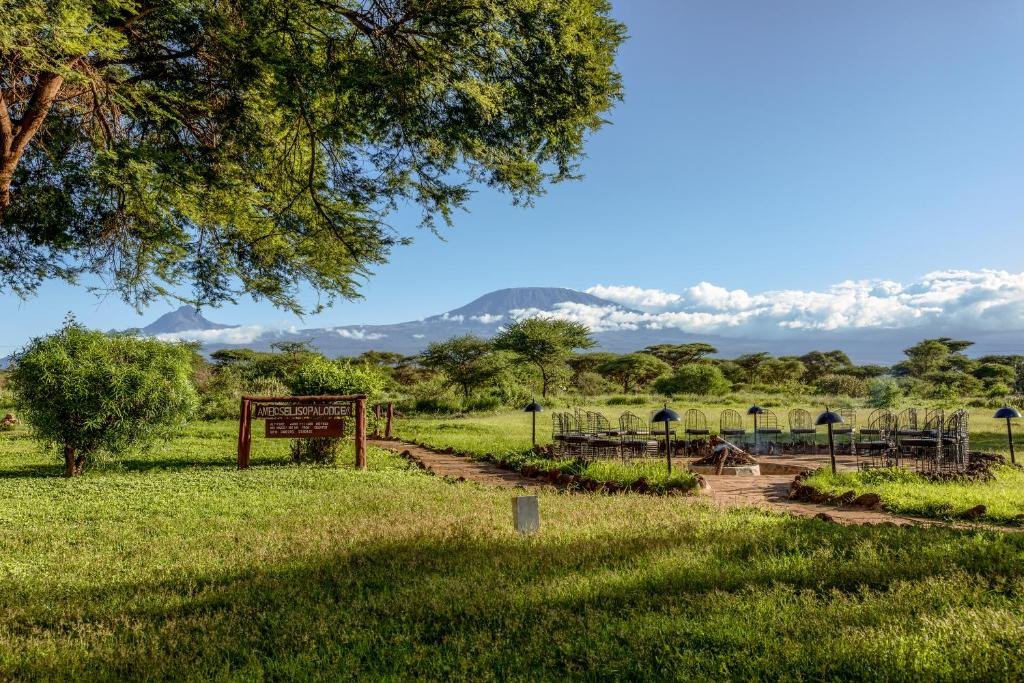
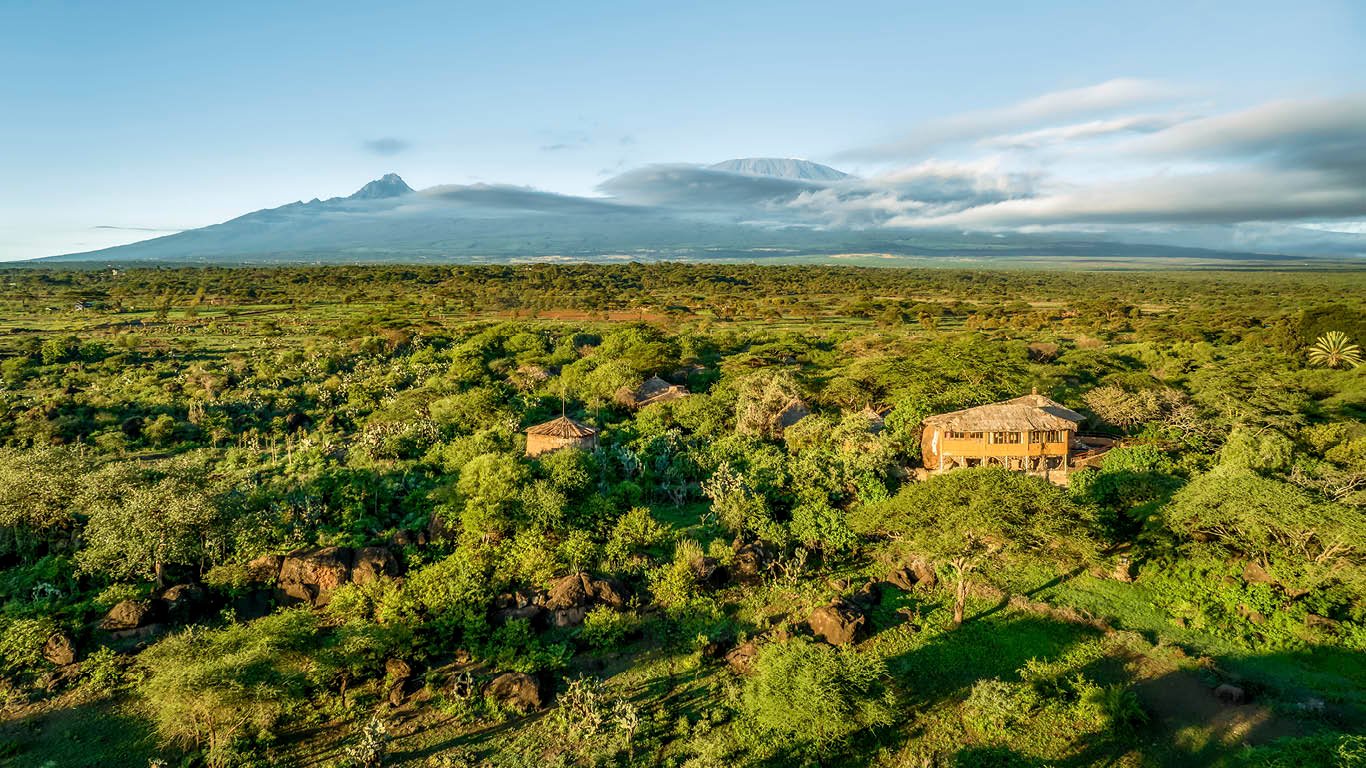
If time permits, enjoy an afternoon game drive in Amboseli. The park is known for its elephant herds, open grasslands and wetlands fed by water from the Kilimanjaro region. You may also see zebras, wildebeest, giraffes and buffaloes. Views of Mount Kilimanjaro are weather-dependent, so keep your camera ready when the clouds clear. Return to your lodge for dinner and overnight.
Meals: Breakfast, lunch and dinner.
Transport: Tsavo East to Amboseli — approximately 150–220 km, around 3–5 hours by road, depending on lodge locations and route.
Accommodation
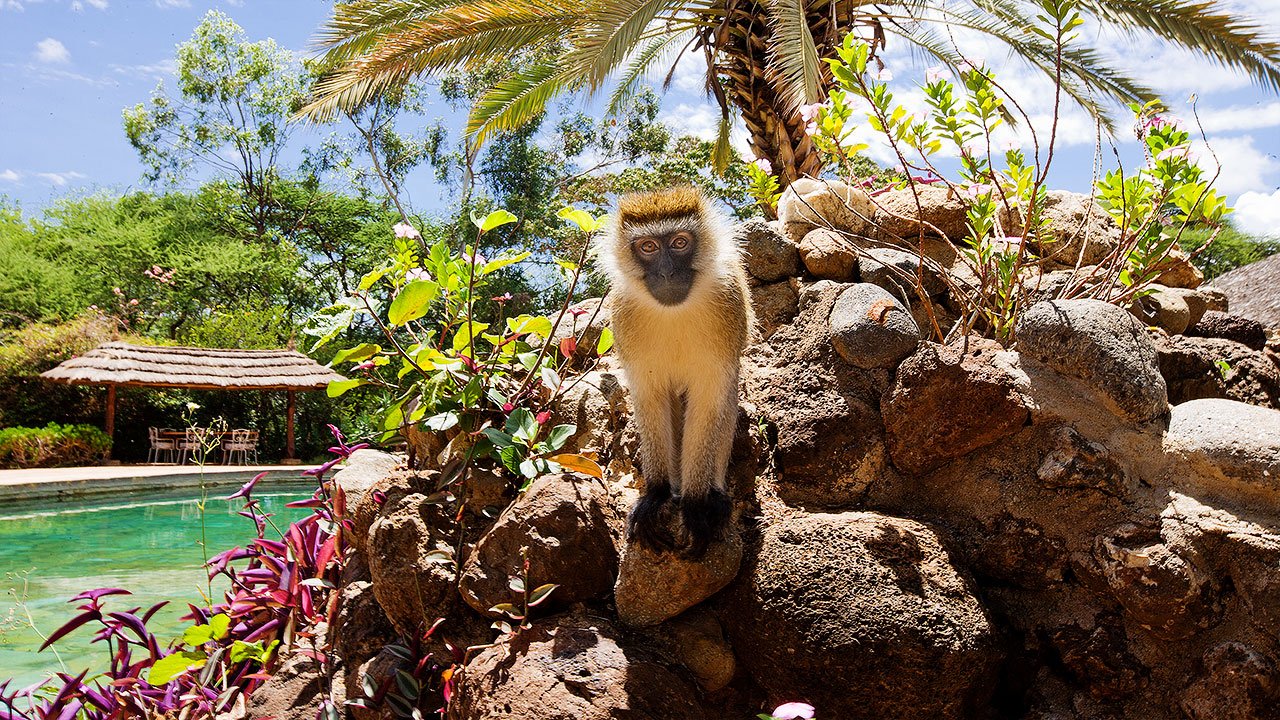
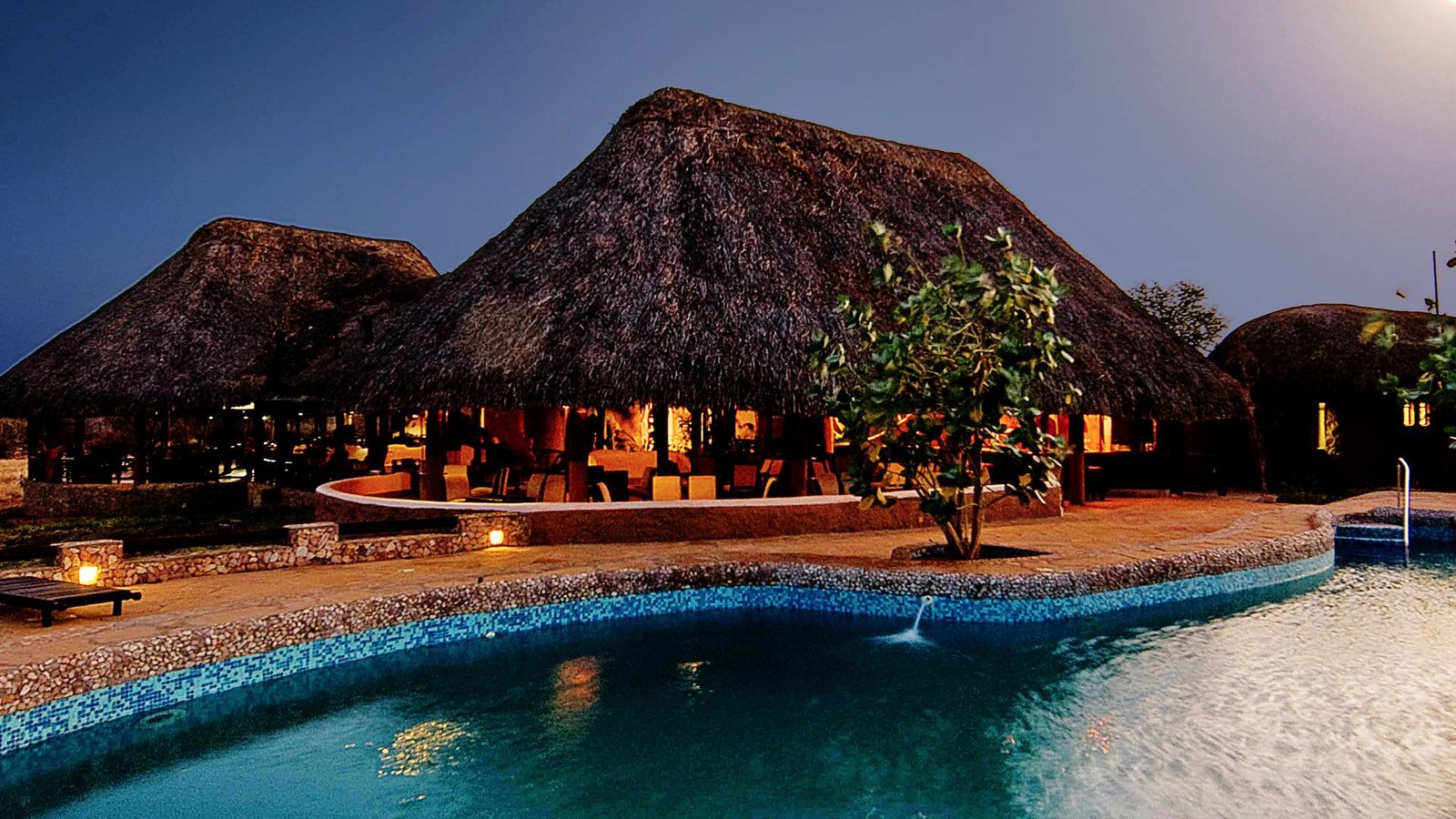
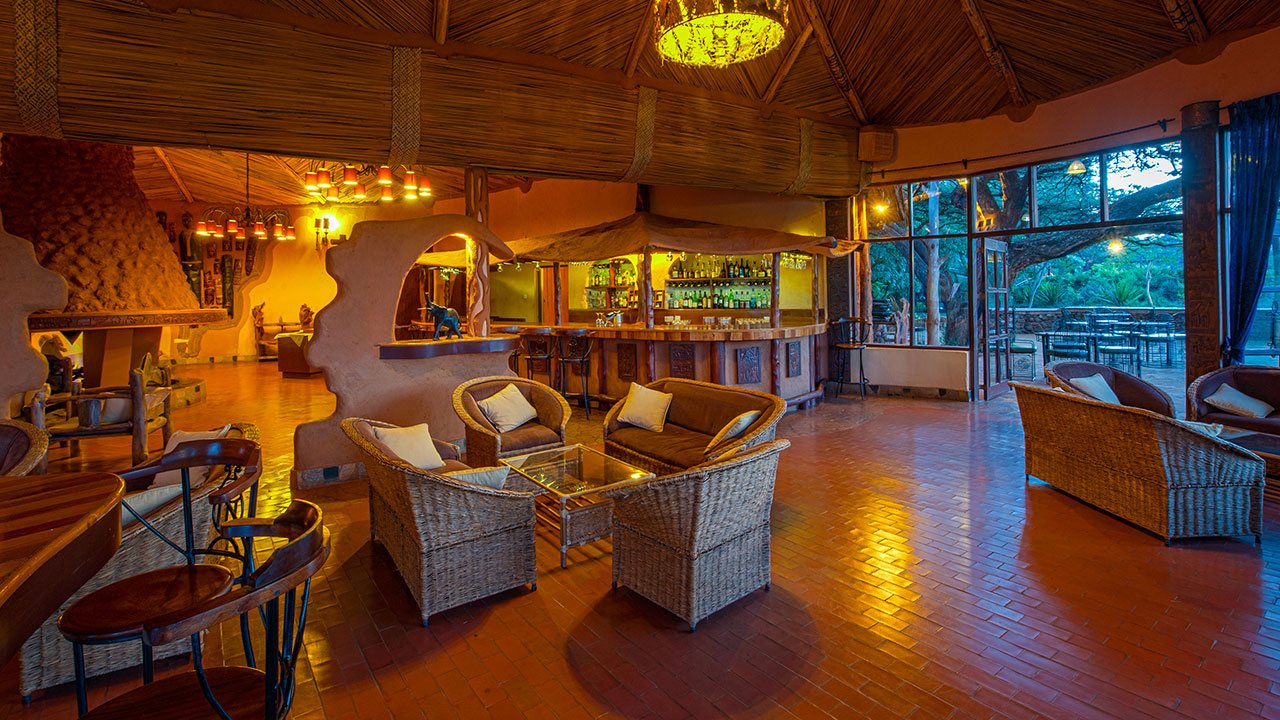
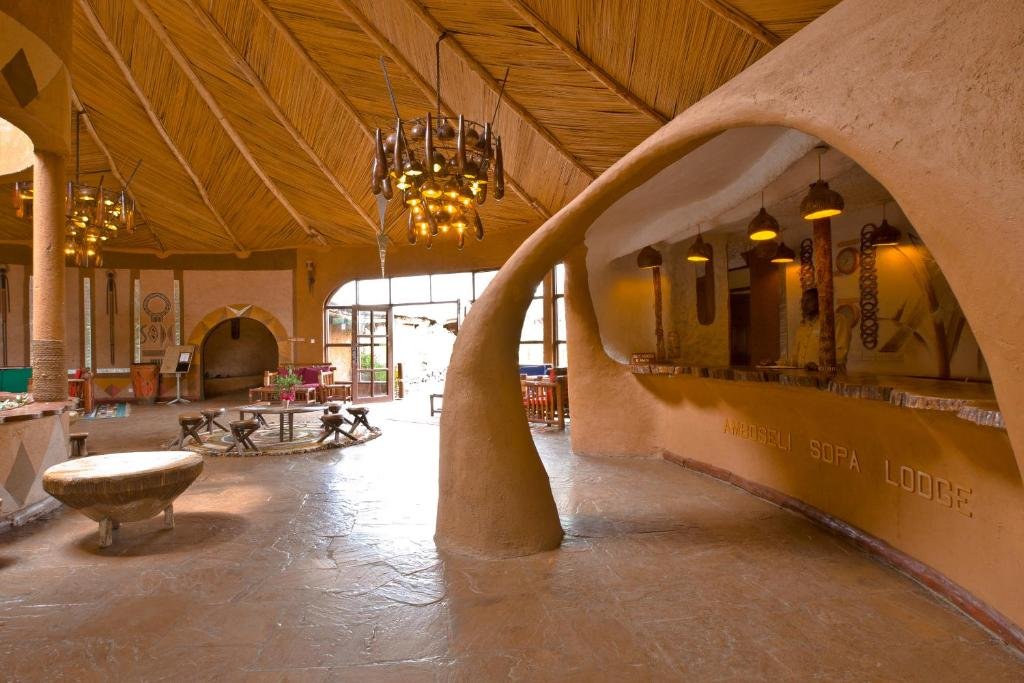
Amboseli Sopa Lodge



Day 19
Full-Day Safari in Amboseli National Park
Enjoy an early game drive in Amboseli, when temperatures are cooler and the mountain may be visible before clouds build. Search for elephant families, buffaloes, zebras, giraffes and other wildlife across the park’s plains and wetland areas. Your guide can explain how elephants use the park’s different habitats and how water availability influences wildlife movements.
After breakfast, continue with another game drive or relax at your lodge before an afternoon outing. This is your final full day in the field, so make time for wildlife photography, observing elephant behaviour and appreciating the wider landscape. Return to your lodge for dinner and a final evening on safari.
Meals: Breakfast, lunch and dinner.
Transport: Game drives within Amboseli National Park — variable distance depending on wildlife sightings and the chosen route.
Accommodation
Amboseli Sopa Lodge

Day 20
Amboseli National Park to Nairobi
Enjoy breakfast at your lodge and, if your departure schedule allows, take a short early-morning game drive or enjoy final views of Amboseli’s landscapes. This is a chance to reflect on the variety of wildlife and environments encountered throughout the expedition, from northern Kenya’s dry country to Tanzania’s vast plains and Kenya’s southern elephant habitats.
After checking out, travel back to Nairobi for your hotel drop-off or airport transfer. Allow a generous buffer if you are connecting to an international flight, as road travel and traffic can be unpredictable. Your 20-day Grand Kenya and Tanzania Expedition concludes with an extensive introduction to East Africa’s wildlife, landscapes and conservation heritage.
Meals: Breakfast; lunch depending on departure time and arrangement.
Transport: Amboseli to Nairobi — approximately 210–250 km, around 4–6 hours by road, depending on lodge location, route and traffic.
Accommodation
No accommodation (End of tour)
Important to know
- Rates are per person and exclude the international flight from/to your home country.
Rates Per Person
| Month/Season | Solo 1 room | 2 people 1 room |
|---|---|---|
| Sep 1, 2026 - Oct 31, 2026 | n/a* | $12,374 |
| Nov 1, 2026 - Dec 14, 2026 | n/a* | $10,911 |
| Dec 15, 2026 - Jan 1, 2027 | n/a* | $11,924 |
| Jan 2, 2027 - Jan 31, 2027 | n/a* | $11,980 |
| Feb 1, 2027 - Feb 28, 2027 | n/a* | $11,980 |
| Mar 1, 2027 - Mar 31, 2027 | n/a* | $11,980 |
| Apr 1, 2027 - May 31, 2027 | n/a* | $11,373 |
| Jun 1, 2027 - Jun 30, 2027 | n/a* | $11,980 |
| Jul 1, 2027 - Aug 31, 2027 | n/a* | $12,824 |
| Sep 1, 2027 - Oct 31, 2027 | n/a* | $13,308 |